

What Fabrics Help Baby Eczema: A Parent's Guide
Table of Contents
- Why Fabric Choices Matter for Baby Eczema
- The Best Fabric for Baby Eczema: What to Look For
- Fabrics to Avoid for Eczema-Prone Skin
- How to Wash Clothes for Eczema: Detergent and Residue
- Best Pajamas for Babies with Eczema
- Garment Construction and Fit: Seams, Tags, and Footies
- Matching Fabric to Eczema Severity, Climate, and Activity
- Frequently Asked Questions
Last Updated: October 17, 2026
Why Fabric Choices Matter for Baby Eczema
If you're wondering what fabrics help baby eczema, the answer is soft, breathable, smooth materials that pull moisture away from the skin, and cotton leads that list for most families.
Eczema is a condition where the skin barrier is weaker than usual, so irritants and heat get in more easily and moisture escapes faster. Clothing is one of the few triggers you fully control.
The Best Fabric for Baby Eczema: What to Look For
The best fabric for baby eczema balances four traits: softness, breathability, moisture handling, and low irritation risk. A fabric that scores well on all four keeps skin cool, dry, and undisturbed. One that fails on any of them can cause flare-ups even if it feels nice in the store. But the four-trait framing only gets you so far, because the fabric labels on baby clothes mix fibers with very different evidence behind them.
| Fabric | Softness | Breathability | Moisture Handling | Evidence Quality | Best For |
|---|---|---|---|---|---|
| Cotton / organic cotton | High | High | Good | Strong, long-standing clinical and practical recommendation | Everyday wear, sleep |
| Silk | Very high | Moderate | Moderate | Moderate; small studies and strong anecdotal support for friction reduction | Severe sensitivity, cool climates |
| Bamboo (rayon/lyocell) | Very high | High | Very good | Mixed; lyocell has better-documented moisture management than generic bamboo rayon | Sweaty sleepers, warm rooms |
| Linen | Moderate | Very high | Good | Moderate; breathability is well accepted, softness improves with washing | Hot weather, daytime |
| Merino wool (fine) | High | High | Very good | Moderate; fine-gauge merino is far less irritating than coarse wool, but not risk-free | Cool climates, temperature swings |
Why the Skin Barrier Makes Fiber Choice Matter
Eczema is a condition where the skin barrier is weaker than usual, so irritants and heat get in more easily and moisture escapes faster. Two mechanisms drive most clothing-related flares. First, heat and trapped sweat raise skin temperature and trigger itching, which starts the itch-scratch cycle. Second, friction from rough fibers, seams, and tags physically disrupts an already compromised barrier. A fabric helps when it keeps skin cool, moves moisture away, and glides rather than grabs.
Cotton and Organic Cotton
When parents ask what fabrics help baby eczema, cotton is the most commonly recommended answer, and for good reason. It breathes well, absorbs sweat, feels smooth against the skin, and washes easily. Organic cotton skips many of the pesticide residues and finishing chemicals of conventional cotton, which matters when a baby's skin barrier is compromised. Look for loose weaves and soft knits rather than stiff, heavily finished cotton.
Silk
Silk is exceptionally smooth and reduces friction, which helps babies who scratch at night, though it costs more and needs gentle washing. The evidence for silk is moderate rather than definitive: small studies and a long history of use in sensitive-skin garments support friction reduction, but silk is not a treatment and does not replace prescribed skin care. Silk also holds heat more than cotton, so it works best as a base layer in cool rooms or for babies who scratch rather than sweat.
Bamboo, Lyocell, and the Rayon Label
Bamboo fabric is usually sold as bamboo rayon or lyocell, and the two are not interchangeable. Generic bamboo rayon goes through a chemical process that leaves a fiber with excellent softness and moisture handling, but the marketing claims around it are often stronger than the evidence. Lyocell, sold under brand names such as TENCEL, uses a closed-loop solvent process and has better-documented moisture management.
Linen
Linen breathes better than almost anything but starts out crisp, so wash it soft before use. It is a strong hot-weather choice for daytime, though the initial stiffness means it is rarely the first fabric parents reach for against a flaring area. Wash linen several times before first wear to soften the hand.
Fine Merino Wool
Fine merino wool regulates temperature well and is far less itchy than the wool your grandmother knitted with. The key word is fine: coarse wool is a well-known irritant, and even fine merino is not risk-free for every baby. Test a small area first, and choose merino for cool climates and temperature swings rather than as a first layer over actively inflamed skin.
Fabrics to Avoid for Eczema-Prone Skin
Synthetic fabrics are the biggest offenders for most eczema-prone babies. Polyester, nylon, and acrylic trap heat and sweat against the skin, and heat is one of the most reliable flare-up triggers. Rough wool, stiff tags, and heavy seams cause friction that starts the itch-scratch cycle. Scratchy decorative trims and tight elastic cuffs cause the same problem.
How to Wash Clothes for Eczema: Detergent and Residue
Washing clothes for eczema comes down to two rules: use a fragrance-free, dye-free detergent, and rinse thoroughly. Residue left in fabric is a frequent, underrated irritant. Skip fabric softener entirely, since it coats fibers with chemicals and reduces breathability. Wash new clothes before the first wear to remove manufacturing finishes, and consider an extra rinse cycle for anything touching a flaring area.
- Choose a free-and-clear detergent with no added fragrance or dyes
- Skip fabric softener and dryer sheets
- Run an extra rinse when skin is actively flaring
- Wash new garments before first use
Best Pajamas for Babies with Eczema
The best pajamas for babies with eczema are breathable, seam-friendly, and loose enough to avoid friction while still fitting safely. Sleep is when overheating and scratching do the most damage, so pajama choice matters more than daytime outfits.
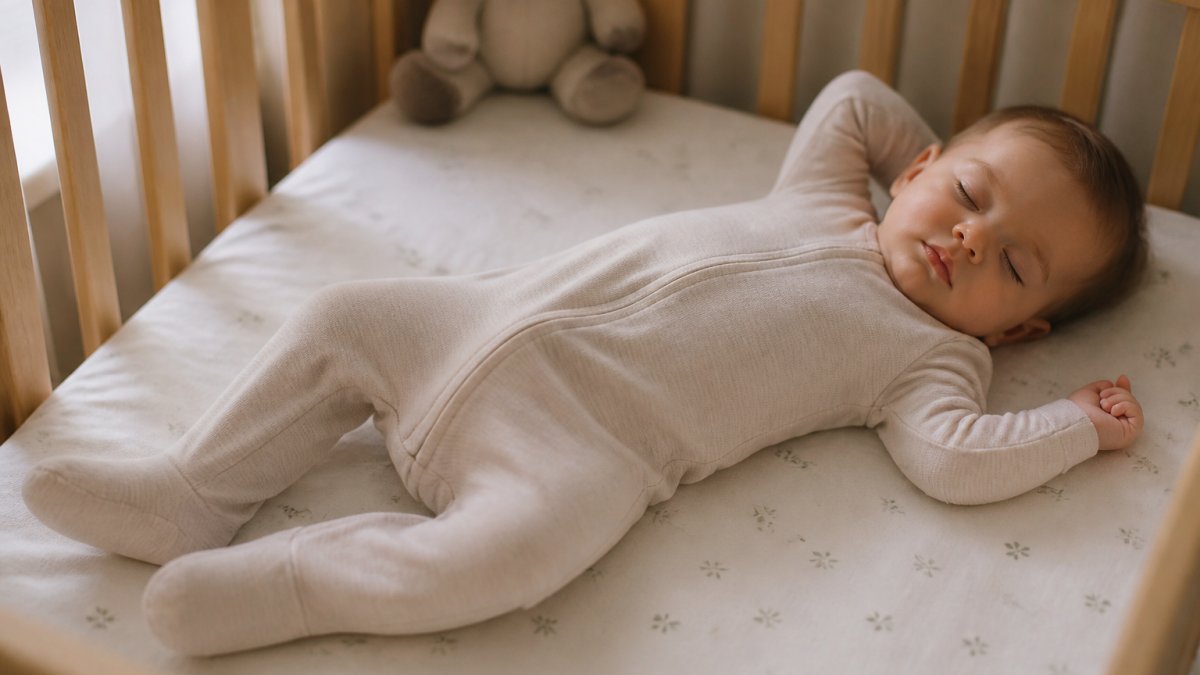
This is where thoughtful construction earns its keep. Our convertible grip footies use fold-over foot covers so you can adjust warmth without a full outfit change, and every piece is OEKO-TEX® Standard 100 certified, meaning it's tested for harmful substances.
Garment Construction and Fit: Seams, Tags, and Footies
Construction details matter as much as fabric. Flat seams, tagless necks, and roomy fits reduce the friction that triggers scratching. Snug cuffs and rough inner seams rub against thin skin all day. Footies deserve special attention: a foot covering that stays put keeps toes warm without the bulk of socks that bunch and slip.
Fit should be close but not tight. A little room lets air circulate and reduces rubbing. For active toddlers, fold-over foot covers that actually grip are worth seeking out, since they adapt as your child moves instead of sliding off.
Matching Fabric to Eczema Severity, Climate, and Activity
There is no single answer for every baby, because severity, climate, and activity all shift the calculus. Most practitioners find that the right fabric is the one that matches the baby's heat, sweat, and scratching pattern on a given day, not the one with the best marketing. Use the situations below as starting points, then adjust based on how your baby's skin responds.
By Eczema Severity
- Mild eczema: soft cotton and fragrance-free washing handle most days. Prioritize loose knits and tagless necks over specialty fibers.
- Moderate to severe: silk or lyocell base layers next to the skin, flat seams, and extra attention to anything that rubs. Keep the layer closest to skin smooth and breathable, and change damp garments promptly.
- Actively flaring skin: minimize friction first. Smooth, loose cotton or silk beats a textured or snug garment even if the fiber is otherwise suitable.
By Climate
- Hot and humid: linen, lyocell, and loose cotton. The goal is moving sweat away and letting air circulate; avoid polyester and nylon entirely for sleep.
- Cool and dry: fine merino and silk help with temperature swings, layered over soft cotton. Watch for overheating indoors, where heating can trap heat under warm fabrics.
- Temperature swings: layering beats a single heavy garment, because you can remove a layer without a full outfit change.
By Activity
Active toddlers run hot, so breathable, moisture-wicking fabrics matter more than warmth. Lyocell and fine merino move moisture well; secure footies that stay put reduce the bunching and slipping that cause friction at the ankle.
Sleep: Overheating and Safe-Sleep Caveats
Sleep is when overheating and scratching do the most damage, so sleepwear deserves its own plan. Dress the baby in one layer more than you would wear to the same room temperature, and check the back of the neck rather than the hands or feet to judge warmth. Avoid loose blankets and soft bedding for infants; follow safe-sleep guidance and use a sleep sack or fitted sleepwear instead.
Wet Wraps and Protective Layers
Wet-wrap approaches and occlusive layers can be appropriate for some babies, but they are a clinician-guided technique, not a DIY fabric choice. Always follow your pediatric dermatologist's guidance, keep the layer closest to skin soft and breathable, and stop if the skin looks worse. Fabric choice supports a wet-wrap plan; it does not replace one.
- Mild eczema: soft cotton, fragrance-free washing
- Moderate to severe: silk or lyocell base layers, flat seams
- Hot climate: linen, lyocell, loose cotton
- Cool climate: fine merino, silk, layered cotton
- Active toddler: moisture-wicking lyocell, secure footies
- Sleep: breathable pajamas, safe-sleep layers, check the back of the neck
Frequently Asked Questions
What worsens eczema in babies?
Common triggers include rough or synthetic fabrics that trap heat, fragranced detergents and fabric softeners, overheating during sleep, and scratchy tags or seams. Wool and polyester can irritate sensitive skin by causing friction and trapping sweat. Drying soaps and lotions with added fragrance also worsen flare-ups. Removing these irritants, choosing smooth breathable baby eczema fabrics, and laundering clothes without residue are practical first steps parents can take.
Does cotton help baby eczema?
Cotton is the most commonly recommended fabric for eczema-prone skin because it is soft, breathable, and absorbs sweat well. Organic cotton avoids pesticide residue and is often gentler on sensitive skin. Loose-fitting cotton clothing reduces friction and overheating. Cotton is not a cure for eczema, but it removes common irritants and supports the skin barrier. Parents often find cotton works best when paired with fragrance-free detergent and a consistent moisturizing routine.
What fabric should babies with eczema avoid?
Wool and coarse synthetic fabrics like polyester, nylon, and acrylic can trigger irritation through friction and trapped heat. Fabrics labeled 'fleece' or with rough textures may also worsen flare-ups. Parents should also watch for garments with scratchy tags, tight elastic, or heavy seams. If a fabric feels rough or causes sweating, it is worth avoiding. Switching to smooth, breathable baby eczema fabrics often reduces irritation within days.
How should I wash clothes for a baby with eczema?
Use a fragrance-free, dye-free detergent and skip fabric softeners and dryer sheets, which leave residue that can irritate skin. Wash new clothes before wearing to remove manufacturing chemicals. An extra rinse cycle helps remove detergent residue. Avoid overloading the machine so clothes rinse thoroughly. Hot water is fine for most cotton items, but check care labels. Keeping a separate detergent for baby clothes reduces the chance of irritants transferring from adult laundry.
What should a baby with eczema wear to bed?
Choose soft, breathable pajamas made from cotton or lyocell, and avoid overheating by keeping the room cool. Footed pajamas with fold-over covers protect against scratching without trapping too much heat. Avoid fleece and heavy synthetic sleepers. A lightweight sleep sack can replace loose blankets. Parents should check the baby's neck and back for sweat to confirm the baby is not too warm. The best pajamas for babies with eczema balance warmth with breathability.
Eczema clothing is one of the few variables you can control, and getting the fabric right makes daily life calmer for everyone. If you're tired of outfits that trap heat or rub sensitive skin, TUMBLE TOES SHOP makes OEKO-TEX® Standard 100 certified baby clothing with convertible grip footies and fold-over foot covers designed to protect sensitive skin. Shop all products and give your little one clothing that works with their skin, not against it.